
How Load Requirements Determine Vehicle Architecture and Battery Configuration of Lithium-ion Electric Forklifts
Core Principle
Four load-related factors — cargo weight, continuous load duty cycle, load centre distance and lifting height — define the minimum mechanical bearing standard of the whole vehicle, and further match the powertrain and battery scheme. Load requirement is the fundamental design benchmark for all hardware specifications; vehicle model cannot be selected before confirming load demand.
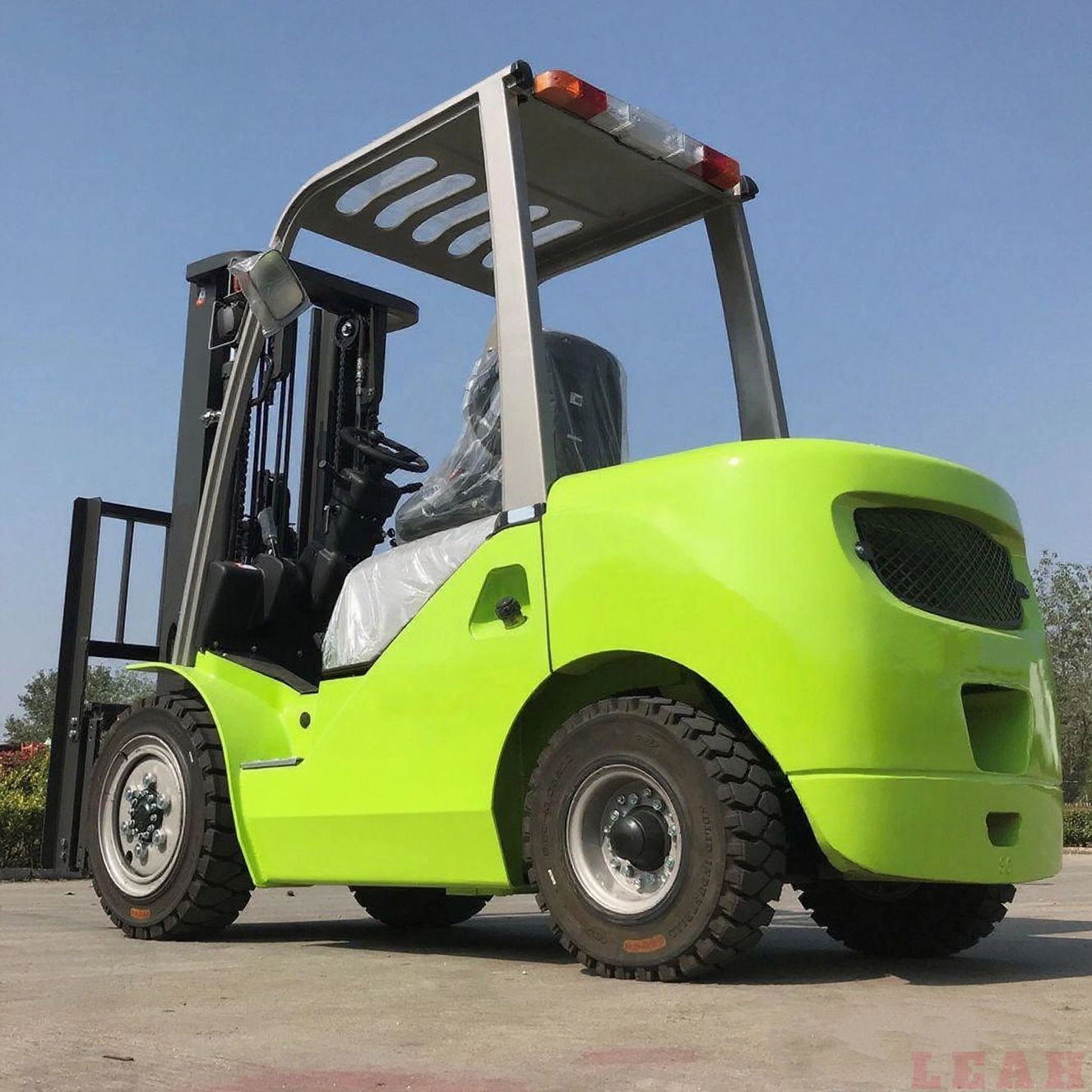
1. Load Requirements Determine Vehicle Mechanical Architecture
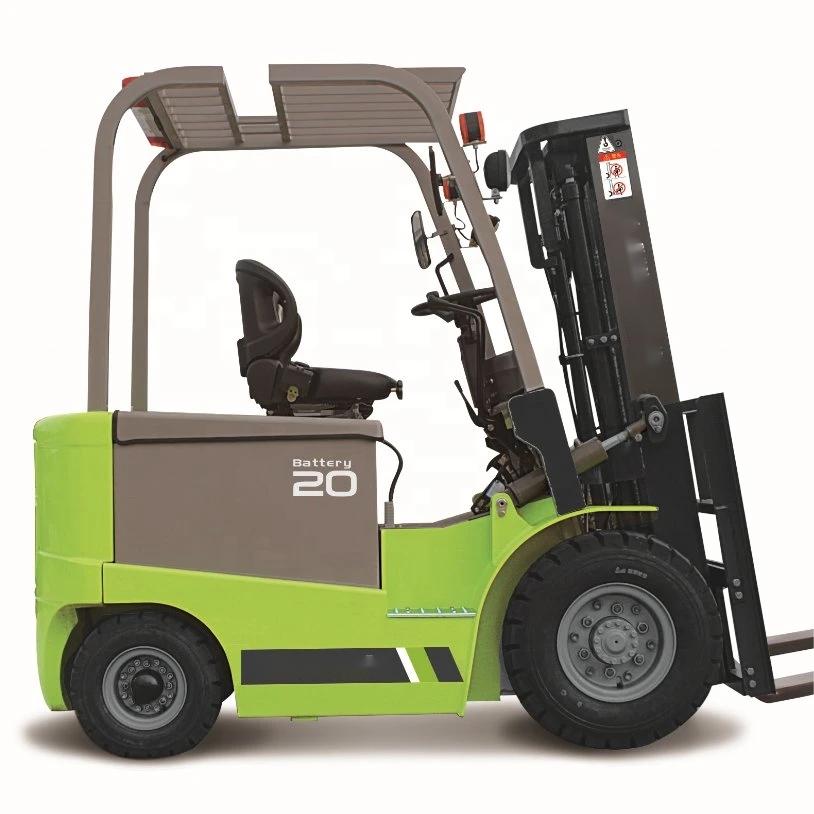
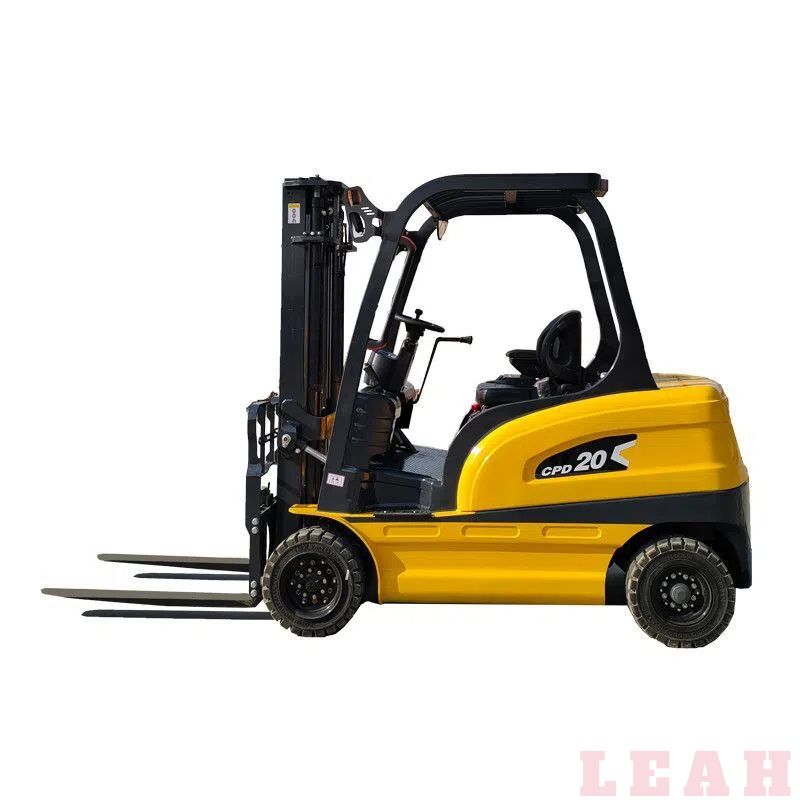
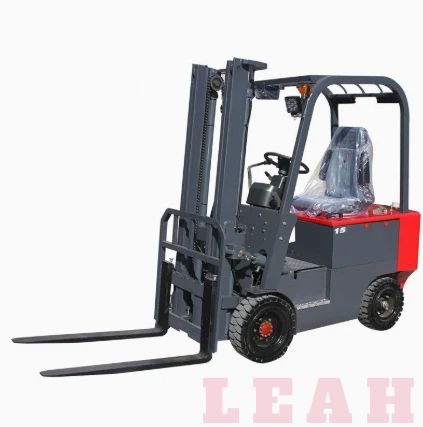
- Frame, wheelbase, track width & counterweightHigher rated load requires thicker frame plates, reinforced welding, longer wheelbase and wider track to improve stability under full load. Lithium forklifts normally have higher curb weight than lead-acid counterparts for load balancing. Extended load centre or high mast operation raises overturning moment, so the frame grade needs upgrading.
- Running gear: drive axle and tyresLight-duty models adopt standard light drive axles; heavy-duty forklifts over 4t require reinforced heavy-load drive axles and heavy-duty solid rubber tyres to avoid tyre deformation and excessive ground pressure.
- Mast & hydraulic systemHigher load requires stronger mast profiles and larger hydraulic pumps. Frequent full-load lifting and impact loads demand upgraded hydraulic components to prevent slow lifting speed. Attachments shift the load centre outward, which equivalently increases overturning load.
- Powertrain voltage platformLight-duty forklifts: 48V low-voltage system; mainstream 2–3.5t models: 48V / 80V; forklifts ≥4t adopt 80V / 96V high-voltage platforms to reduce operating current and heat loss under peak power demand.
2. Load Requirements Determine Battery Configuration
We divide operating conditions into intermittent light load and continuous full load.- Battery capacityIntermittent light load (average load<50% rated capacity): standard battery capacity is sufficient.Continuous full load, long climbing, multi-shift operation: increase battery capacity for extra range margin. For low-temperature full-load scenarios, reserve ≥20% extra capacity against natural capacity degradation.
- Discharge rateIntermittent operation: 1C LFP battery is acceptable.Continuous full load and frequent climbing: high-rate cells ≥1.5C are mandatory to avoid severe voltage drop and thermal degradation under high current.
- BMS specificationHeavy-duty full-load conditions require BMS with higher continuous & peak current rating, heavy-duty contactors and thick busbars to prevent emergency overcurrent protection.
- Thermal management systemIntermittent light load relies on natural cooling. Continuous full-load operation in high-temperature workshops requires active air cooling or liquid cooling to avoid power derating caused by overheating.
- Special environment constraintsFor explosion-proof lithium forklifts, long-term operating load is recommended not to exceed 80% rated capacity due to greater heat dissipation pressure under full load.
3. Chain Effect of Load Derating
Higher mast height, extended forks or outward-shifted cargo centre reduce effective allowable load. Equivalently, higher load reserve is required for mechanical structure, motor torque and battery peak discharge capacity.Selection guideline: select the next higher tonnage model for high-lift operation or attachment fitting; avoid operating close to the load limit.4. Key Selection Guidelines
- Load demand is a comprehensive indicator including cargo weight, operation duration, load centre and lifting height, not merely cargo mass.
- Long-term operation near rated load keeps mechanical parts and three-electric system working under extreme conditions, leading to higher failure rate and shorter service life. Maintain a safety margin of 15%~25%.
- Vehicle architecture and battery configuration must be matched synchronously. Heavy-duty frame cannot be equipped with low-capacity & low-rate batteries; over-sized heavy forklifts for light tasks will increase procurement cost and TCO.