
Buyers scrutinize the machine and negotiate the price, then sign — and the quality of the next five years of ownership is decided by the clauses nobody read: what the warranty actually covers, which parts arrive in the shipment, who answers the phone when the truck faults on a Tuesday morning, and whether you can obtain a controller board in your country at all. After-sales support is where good and mediocre suppliers separate most clearly, and the separation is visible before you pay, if you know what to ask.
What a Machinery Warranty Actually Covers — and What It Quietly Excludes
A typical machinery warranty runs one to two years and covers defects in materials and workmanship: a failed drive motor, a defective controller, a hydraulic pump that leaks from new. Read any offered warranty against that baseline and three exclusions deserve your attention. Wear parts — tires, brake pads, chains, filters, brushes, hoses — are universally excluded, because they are consumed by use, not by defect. Damage from misuse, overload, or unapproved modification is excluded, which makes the operation and maintenance manual part of your warranty compliance, not an optional booklet. And consequential costs — the downtime, the rental while your machine waits, the technician's travel — are almost never covered, which is precisely why spare-parts planning (below) matters as much as the warranty itself.
Two clarifications to demand in writing: the warranty's start date (shipment date, arrival date, or commissioning date — they differ by weeks) and the claim procedure, meaning what evidence is required and what the remedy is — replacement part shipped free, part at cost, or local repair reimbursement. A warranty without a defined claim path is a sentiment, not a commitment.
Wear Parts Versus Fault Parts: Two Different Strategies
Long-term ownership cost is driven less by warranty claims than by wear-part consumption, so plan the two categories separately. Wear parts are predictable: tires, forks, chains, hoses, filters, seals, contactors, brushes. They will be consumed at rates proportional to your utilization, and the professional move is to order an initial stock with the machine — see the kit below — because the true cost of a wear part is not its price but the weeks it takes to arrive from overseas when production is stopped.
Fault parts are the opposite: components that rarely fail but stop the machine when they do — controllers, drive motors, chargers, sensors, displays. You cannot stock every possibility, but you can verify availability before buying: ask the supplier to confirm, in writing, which electronic components the machine uses and whether they remain purchasable individually, and prefer suppliers whose machines use mainstream, documented component brands over proprietary boards only they can supply. Component transparency is one of the strongest quality signals a machinery exporter can send.
The Spare-Parts Kit to Order with the Machine
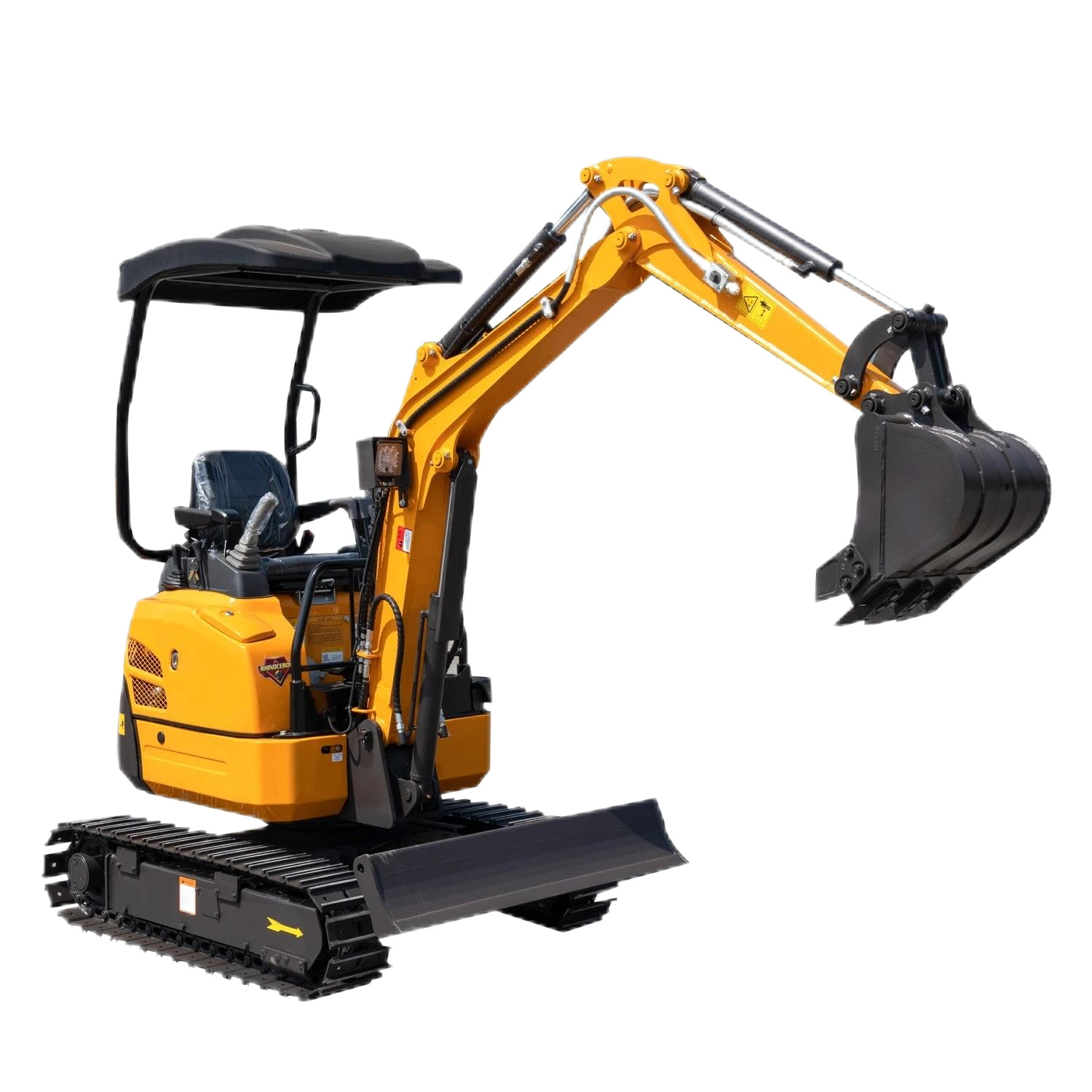
The standard practice among experienced importers is to add a first-year consumables kit to the original order — shipped in the same container, where it costs almost nothing in freight, instead of rushed by courier later, where it costs a multiple. A sensible kit for an electric forklift or mini excavator typically includes: a set of filters, common seals and O-rings, drive and lift contactors or fuses, a set of brake components, spare wheels or tires where the model uses a distinctive size, hydraulic oil appropriate to your climate, and the model-specific items your supplier recommends from their service history. Treat the supplier's recommended kit as a starting point and adjust it against your duty cycle — a two-shift cold-store operation consumes differently from a single-shift yard.
Service Response: Who Actually Fixes the Machine
Clarify the support model before ordering, because "we have good after-sales service" is not a specification. The questions that produce answers: When a fault cannot be solved by phone or video, what is the escalation path — remote diagnostics by the factory, a local agent, or a factory engineer flying in? What is the committed response time for technical queries — hours, not "promptly"? Is technical support available in your working hours and language, or only in Chinese business hours? Do they provide video-guided repair, which resolves the majority of electrical and adjustment issues without any travel? And for buyers in significant markets: does the supplier hold spare-parts stock in-region or partner with a local service center, and can they name customers in your country you may contact?
Video-supported remote diagnostics deserve emphasis, because they have changed the economics of imported machinery support: a fault video plus error codes plus a video call resolves most issues in days rather than the weeks an engineer's visit once required. Suppliers who have built that capability — structured video guidance, multilingual manuals, quick remote response — are identifiable in the first sales conversation, long before any warranty claim tests them.
Documentation and Access You Must Receive
Finally, confirm the documentation set that transfers with the machine: the operation and maintenance manual in English (or your language), the parts catalog with part numbers, the electrical and hydraulic schematics or at minimum the fault-code list with meanings, the battery and charger documentation, and — increasingly decisive — ongoing access to software and parameter tools. Some electronic systems require proprietary software or passwords for deep diagnostics; if so, confirm you will receive them, or that the supplier will perform such interventions remotely without charge during the warranty period. A machine whose controller is a black box to its owner is a machine whose uptime depends entirely on the supplier's mood and time zone.
Frequently Asked Questions
Q: How long is a typical warranty on forklifts imported from China?A: Commonly 12–24 months from shipment or arrival, with wear parts excluded. The exact start date and claim procedure should be written into the sales contract rather than left to a listing page.
Q: Which spare parts should I order with the machine?A: A first-year consumables kit: filters, seals, contactors or fuses, brake parts, tires or wheels if model-specific, hydraulic oil, and whatever the supplier's service data flags as model-specific wear items. Shipping it inside the container is far cheaper than urgent courier shipments later.
Q: How are warranty claims actually handled across borders?A: Standard practice: you document the fault with photos or video and the error codes; the supplier diagnoses remotely and ships the replacement part free under warranty, with video guidance for the repair. Major component failures on significant orders can justify a factory engineer's visit — agree the conditions in the contract.
Q: What if the supplier cannot supply a part years later?A: This is the risk that component transparency protects against. Machines built on mainstream, documented components can be serviced by any competent technician with locally sourced equivalents; proprietary-only systems cannot. Confirm component sourcing and parts availability in writing before purchase.
Conclusion: after-sales quality is testable before you buy: read the warranty for start date, exclusions, and claim path; order the wear-parts kit with the machine; verify component transparency and spare-part availability in writing; and confirm the support model — response time, language coverage, remote diagnostics — with named examples. Put these questions to us before you order: we will send our warranty terms, the recommended parts kit for your model, and references from customers in your market, so the after-sales story is verified rather than promised.