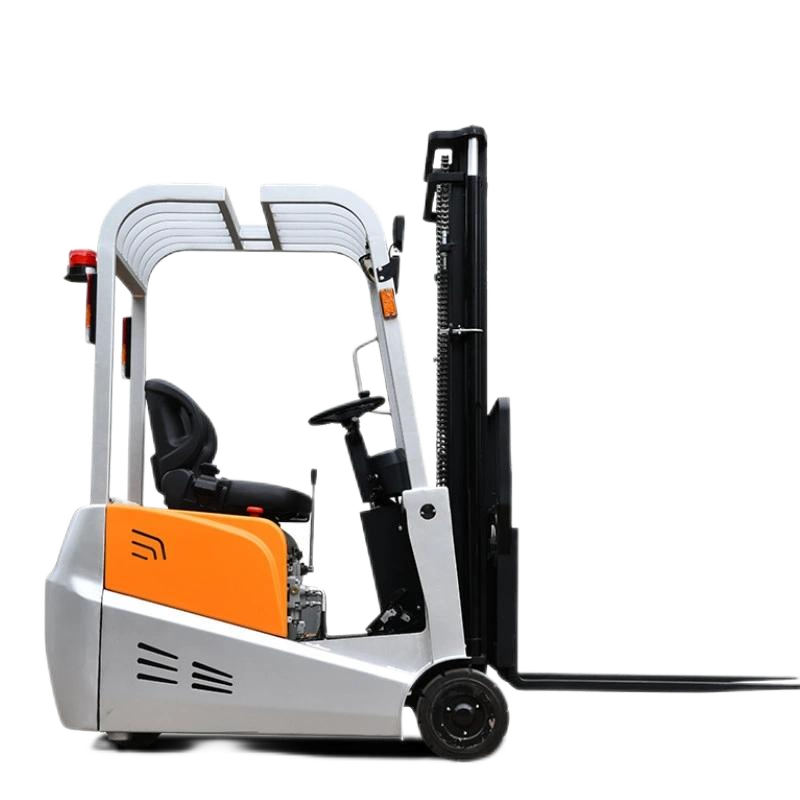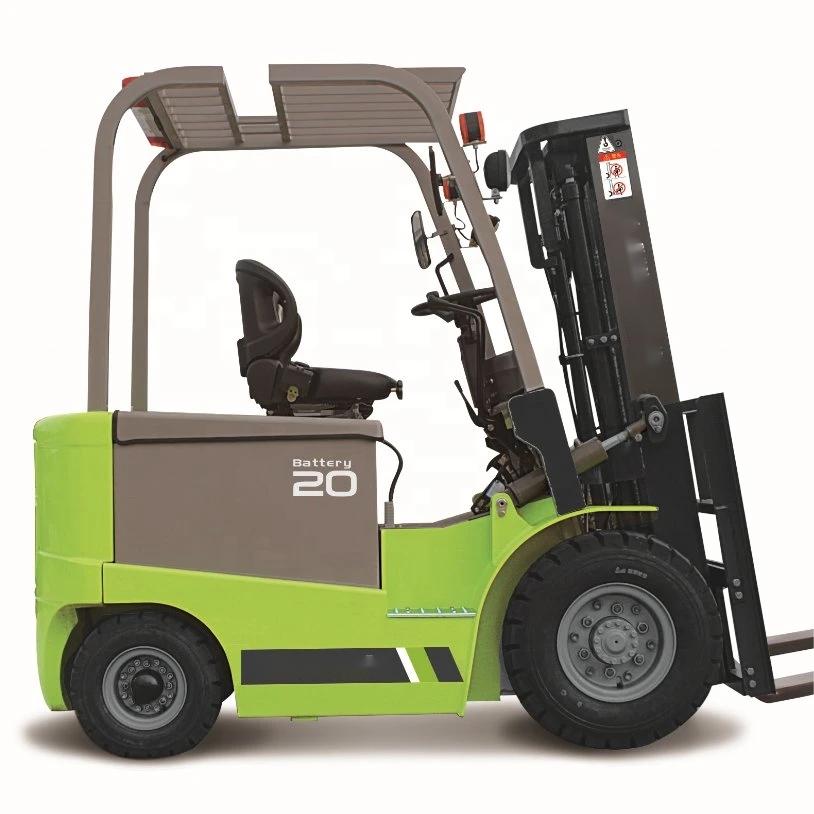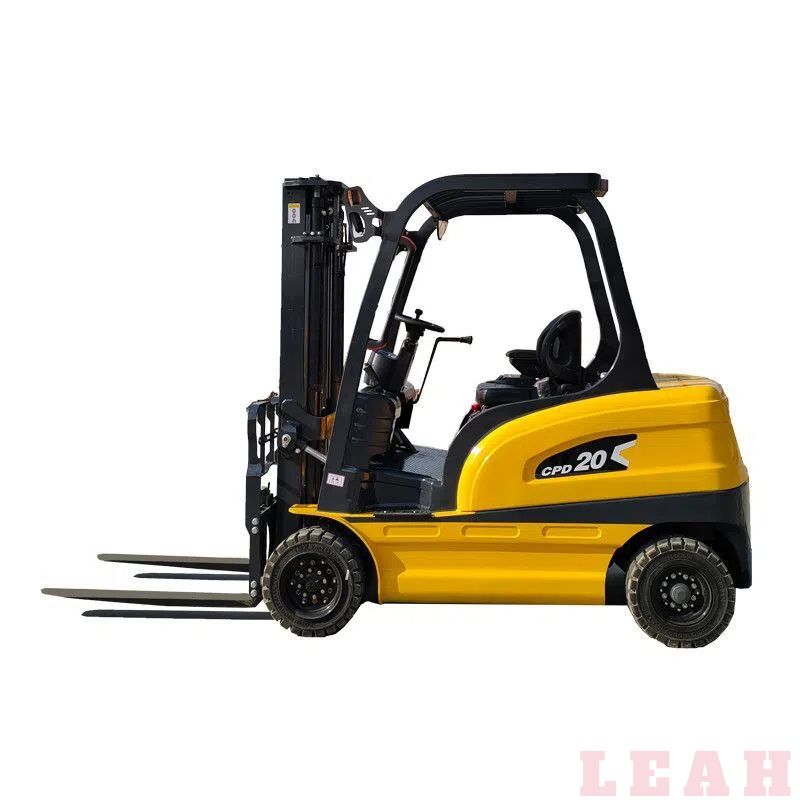

How Battery Types of Lithium New Energy Forklifts Affect Load Capacity
Core Logic First
The battery itself cannot alter the forklift’s rated load capacity marked on the nameplate (mechanical maximum load is determined by frame, mast and axle assembly). Nevertheless, battery characteristics directly govern sustained output capacity, peak power and effective load performance under full-load operating conditions.In brief: Mechanical structure defines the maximum weight that can be lifted; battery type determines whether the forklift can deliver consistent power under full load or undergo power limiting during operation.There are two mainstream lithium battery solutions for forklifts: Lithium Iron Phosphate (LFP) and Nickel Manganese Cobalt Oxide (NCM). They are further divided into standard-rate cells and high-rate cells. Lead-acid batteries, the legacy solution, are also referenced for comparison.
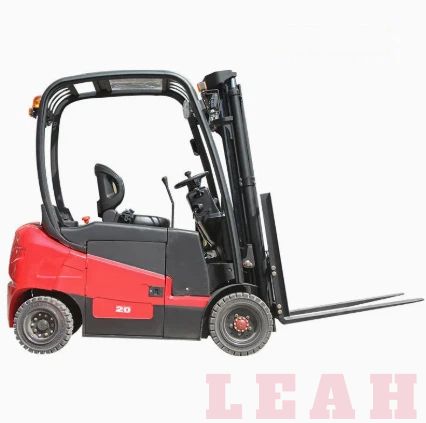
I. Impacts of Core Characteristics of Two Lithium Battery Chemistries on Heavy-load Performance
1. Lithium Iron Phosphate (LFP) Batteries – Industry Standard for Industrial Lithium Forklifts
Merits: Excellent thermal stability, long cycle life and superior safety, making it the standard configuration for forklifts.Subcategories: Standard-rate cells / High-rate cells- Standard-rate LFP batteries (0.5C~1C discharge)Applicable scenarios: Intermittent operations, light-to-medium loads, short-distance transportation, with average load ≤60% of rated capacity.Drawbacks under load: Significant voltage drop under heavy continuous load, frequent climbing and repeated lifting with large current output; the BMS tends to trigger power limitation.Typical symptoms: Sluggish start under full load, reduced lifting speed and "power derating" during prolonged heavy-duty work.
- High-rate LFP batteries (1.5C~3C discharge)Electrochemically capable of short-time high-current output with a more stable voltage platform.Matching scenarios: Continuous full-load operations, heavy cargo handling, frequent start-stop and long-ramp work.Value for selection: Under the same capacity, power can be fully released under heavy-load conditions. The forklift can maintain rated performance under full load for extended periods without premature power limitation.
2. NCM Lithium Batteries (Rarely Used on Forklifts, Mainly for Small Warehouse Equipment)
Features: High energy density and outstanding low-temperature discharge performance with strong peak current output.Impacts on load performance:
Advantages: Under full load in low-temperature environments, capacity attenuation is milder, offering fast power response during heavy-load startup.
Drawbacks: Poor thermal stability with higher risk of thermal runaway under sustained high-current heavy-load operation. Large-scale adoption is rare on industrial heavy-duty forklifts.
Limitation: NCM batteries are barely selected for heavy-duty counterbalance forklifts of 4 tons and above operating under continuous heavy loads; they are only optional for small 1~1.5t warehouse forklifts.
II. Four Dimensions Where Battery Characteristics Govern Forklift Heavy-load Performance
1. Peak Discharge Capacity – Instant Power for Full-load Startup & Lifting
Instant high current is required for lifting heavy goods and full-load acceleration.- Low-rate batteries: Substantial voltage drop occurs during instantaneous heavy discharge. The electrical control system limits output power, manifested as slow full-load lifting and weak climbing performance.
- High-rate batteries: Voltage remains stable, enabling the motor to output rated torque and fully utilize the forklift’s designed load capacity.
2. Voltage Platform & Voltage Drop Characteristics
Power consumption accumulates during sustained full-load work as the battery State of Charge (SOC) declines.LFP boasts a flat voltage platform, yet it suffers greater voltage drop under heavy current compared with NCM batteries of equivalent specification.When operating under prolonged heavy load with low remaining power, LFP batteries are more likely to trigger power restriction upon hitting the low-voltage protection threshold.Practical guidance: Avoid full-load operations when the battery is at low SOC for continuous heavy-duty applications.3. Low-temperature Characteristics – Drawbacks Amplified under Heavy Load
Capacity of all lithium batteries drops at low temperatures.LFP suffers obvious low-temperature degradation: Without a thermal management battery pack, usable capacity shrinks by 20%~35% under continuous full load below 0°C, and power derating occurs more easily under heavy loads.NCM achieves better low-temperature performance than LFP.
Selection strategy: For sites combining frigid climate and heavy-load demands, prioritize high-rate LFP battery packs equipped with battery thermal management (heating & cooling).
4. Battery Self-weight – Indirect Impact on Rated Load Capacity (Easily Overlooked)
Counterbalance forklifts rely on batteries as counterweights!- Under identical capacity: NCM batteries are lighter than LFP batteries.
- Heavier batteries increase overall vehicle counterweight, improve anti-tipping stability and optimize the effective load curve.
III. Matching Table: Battery Type vs Load Operating Conditions
| Battery Type | Discharge Capability | Self-weight | Suitable Load Scenarios | Main Limitations under Heavy Load |
|---|---|---|---|---|
| Standard-rate LFP (1C) | Moderate | Relatively heavy | Intermittent loads, load ≤70% rated capacity, normal-temperature warehouses | Prone to voltage drop and power limitation during continuous full load |
| High-rate LFP (≥1.5C) | Strong | Relatively heavy | Continuous full load, heavy cargo, frequent climbing | Optimal all-round solution; first choice for mainstream heavy-duty forklifts |
| NCM Lithium Battery | Excellent peak discharge | Light | Small forklifts, low-temperature environments, light-to-medium loads | Safety constraints; unsuitable for continuous heavy load for models ≥4t |
IV. Brief Comparison with Lead-acid Batteries (For Customer Communication)
Lead-acid batteries deliver poor short-time peak current and experience severe voltage drop under sustained heavy load.When equipped with high-rate LFP batteries, lithium forklifts of the same tonnage outperform lead-acid counterparts comprehensively in sustained heavy-load performance.Many fleet replacement projects receive customer feedback claiming "lithium forklifts are less powerful than internal combustion trucks". This issue is mostly caused by the selection of low-rate general lithium batteries that cannot support continuous full-load operation.V. Practical Selection Recommendations (Applicable for Bidding & Customer Communication)
- Continuous full load & heavy material handling (long-term operation ≥70% rated tonnage)Standard-rate cells are prohibited. High-rate LFP power battery packs with robust BMS heat dissipation must be specified.
- Low-temperature sites with heavy-load requirementsPrioritize high-rate LFP batteries equipped with liquid cooling / air cooling thermal management systems. NCM batteries are not recommended to avoid safety risks.
- Verification of counterweight when adopting lightweight battery solutionsWeight reduction of lightweight batteries weakens counterbalance. Check the load curve and confirm whether effective load capacity declines under high-lift heavy-load working conditions.