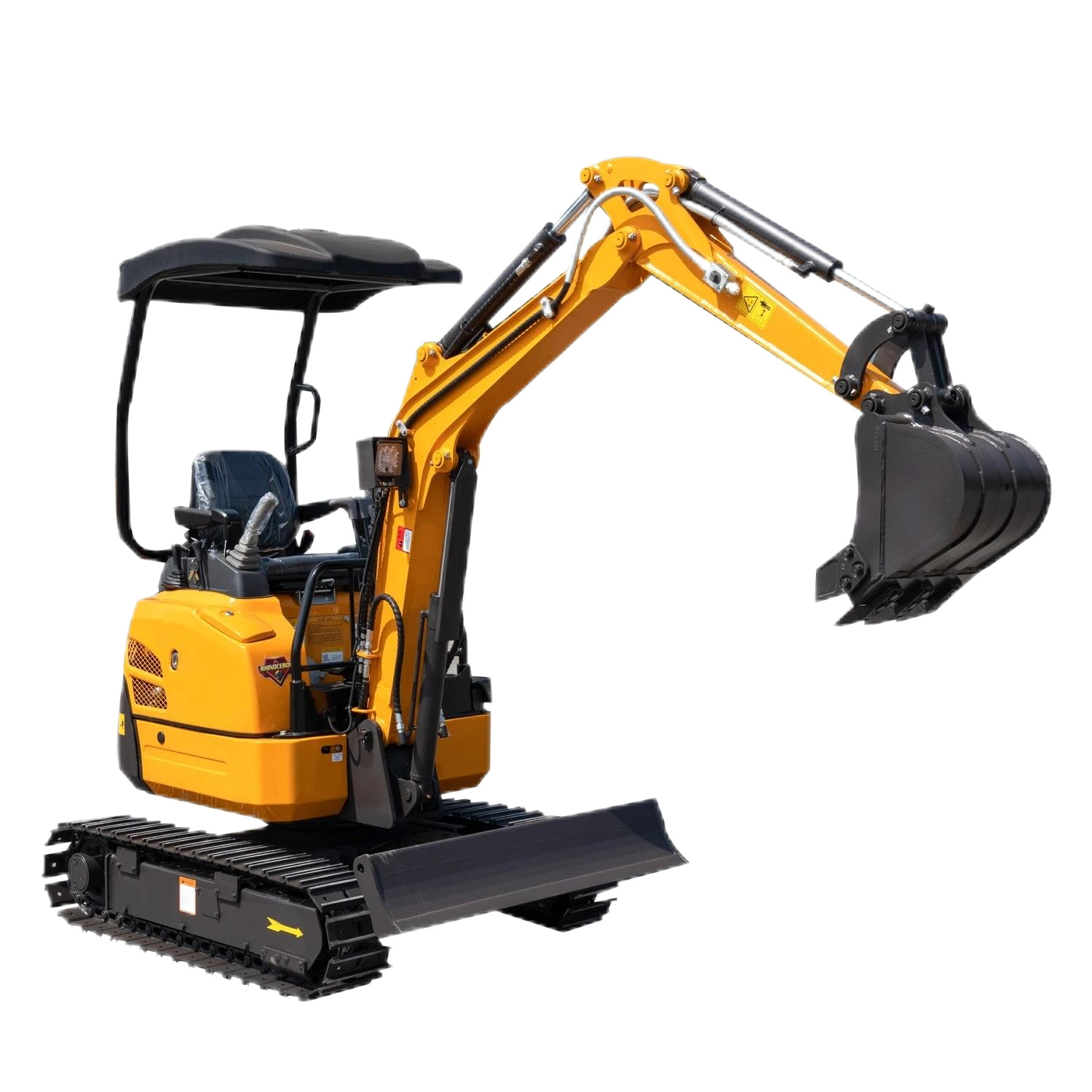

The compact excavator has always been the most versatile machine on a small job site. Now the same machine is going electric — and for contractors working in cities, indoors, or under emission and noise restrictions, the electric mini excavator has moved from curiosity to practical purchase.
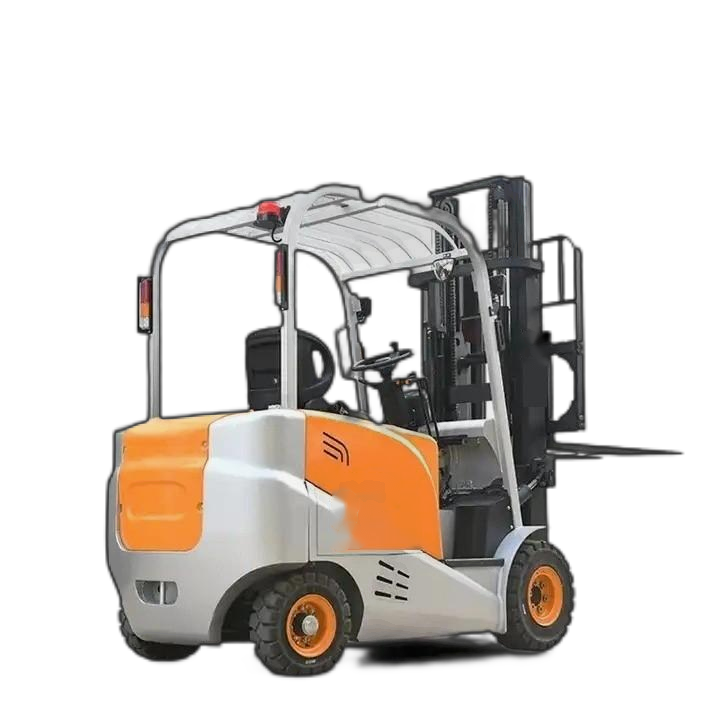
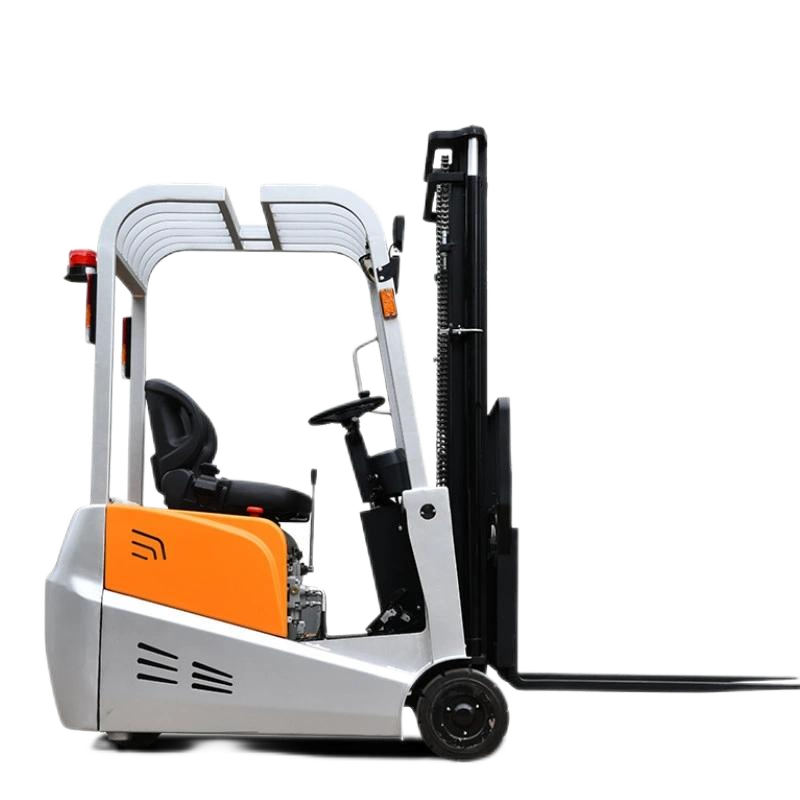
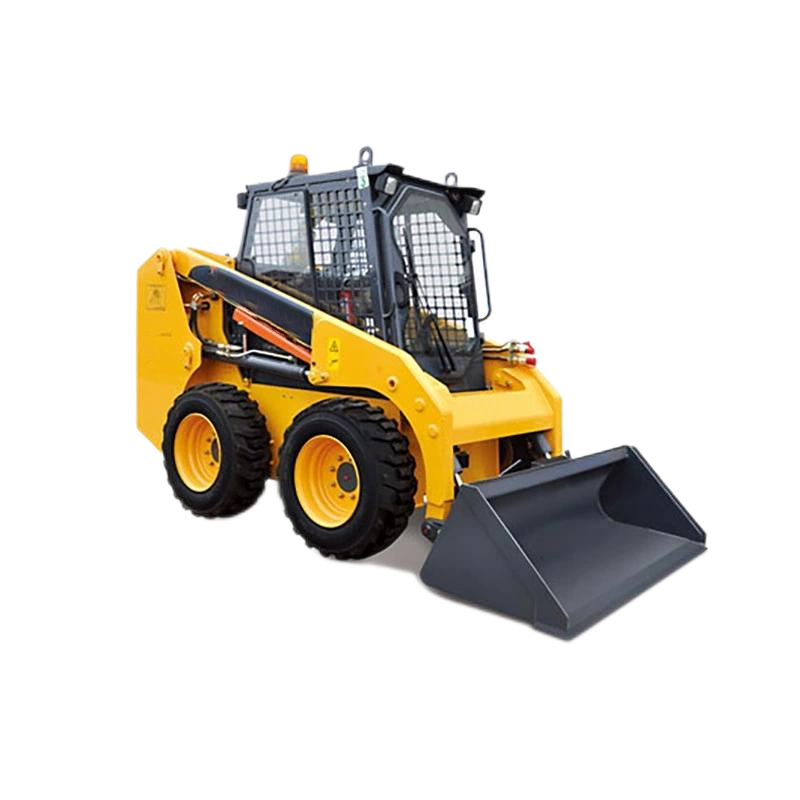
At LEAH MACH we produce mini excavators alongside our electric forklift and loader lines, and this guide reflects the questions contractors actually ask when comparing diesel and battery-powered compact diggers for the first time.
I. Where Electric Mini Excavators Win Outright
Four job categories have proven to be the early strongholds of battery-powered mini excavators:
- Urban utility and trenching work — emission-control zones, streets with noise ordinances, work near residential buildings and offices. No exhaust and no idling diesel noise changes community and regulator relations on city sites.
- Indoor and basement demolition — the classic impossible job for diesel. Excavating basements, swimming pools, industrial floor renovations and indoor foundation work becomes routine; ventilation cost drops to nearly zero.
- Municipal and landscaping contracts — parks, graveyards, golf courses and streetscapes where authorities increasingly specify zero-emission equipment in tenders.
- Tunnel, culvert and ship-hold work — confined spaces where diesel exhaust is a safety hazard, not just a nuisance.
II. Running Costs: The Real Numbers Behind the Switch
Electric drivetrains and battery excavators share the same economics as electric forklifts, scaled to the machine:
Cost element | Diesel mini excavator | Electric mini excavator |
Energy per day (typical urban duty) | Fuel consumption with heavy idling | Typically 40–60% lower |
Daily maintenance | Diesel engine service, DPF/EGR issues | Charging check + greasing |
Annual scheduled service | Extensive engine-side items | Motor and battery health check |
Noise level near operator | 85–95 dB(A) | Around 10 dB(A) quieter; near-silent idling |
Idle cost | Fuel burned standing still | Negligible |
Two financial details matter as much as the energy savings:
- Idle time on urban jobs is enormous — traffic stops, waiting for trucks, lunch breaks. A diesel burns fuel while idling; an electric machine essentially does not.
- Regenerative breaking (on models that offer it) recovers energy every time the swing or boom decelerates, further reducing consumption in dig-cycle work.
III. Key Specifications to Verify Before Buying
Not all battery mini excavators are built for professional daily work. Check these five points against any supplier's specification sheet:
1. Battery capacity and real runtime
Look for 15–20 kWh-class battery packs in 1–2 ton machines, and ask for runtime measured in dig cycles — not idling time. A well-specced electric mini excavator should cover a 4–8 hour urban shift depending on intensity; opportunity charging over lunch extends this considerably.
2. Battery chemistry and thermal management
LFP (lithium iron phosphate) cells with thermal management are the professional choice — the same logic that applies to forklift batteries. Avoid packs without a stated chemistry and cycle-life figure.
3. Swing and hydraulic performance parity
The machine must dig, swing and lift like the diesel version. Verify hydraulic pump power is not derated to save battery; a common shortcut on low-cost conversions is a weaker pump, which shows up as slower cycling and shallower digging force.
4. Charging standard
Confirm the charger input matches your site power (single- or three-phase, local voltage standard) and that a standard industrial outlet can deliver an overnight charge without special infrastructure.
5. Ground pressure and track options
For landscaping and finished-surface work, rubber tracks and low ground pressure matter as much on electric machines as diesel ones — do not trade undercarriage quality for the battery package.
IV. The Honest Limitations
Buyers should plan around three realities:
- Runtime ceilings. For a 10-hour continuous digging schedule with no charging access, diesel still holds the endurance advantage. Electric suits shift-based urban work best.
- Cold weather. Battery capacity drops in freezing conditions; machines destined for cold climates should include battery heating as part of thermal management.
- Initial purchase price. Battery machines cost more upfront. The payback comes from energy and maintenance savings plus access to jobs diesel machines cannot take — buyers should calculate payback on their own duty cycle rather than comparing sticker prices.
V. Who Should Buy One Now
The strongest current cases are contractors who:
- Combine utility, landscaping and demolition jobs in emission-controlled urban districts
- Regularly quote indoor or confined-space excavation work that competitors cannot bid
- Run short, predictable daily shifts with overnight charging access
- Bid municipal tenders where zero-emission equipment scores contract points
For these buyers the electric mini excavator is not a supplement to the diesel fleet — it is the machine that opens work the diesel fleet cannot touch.