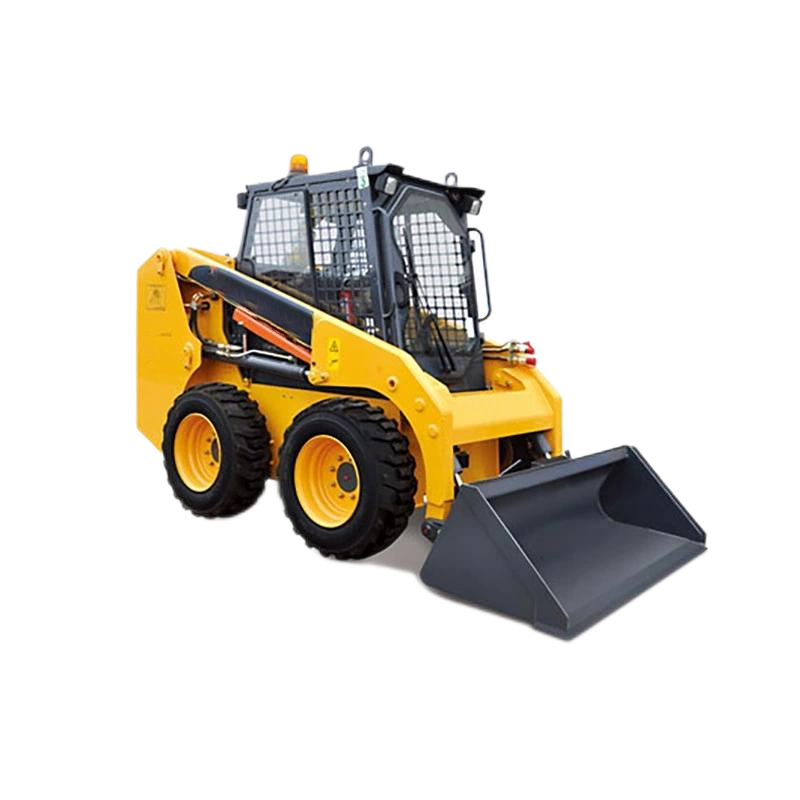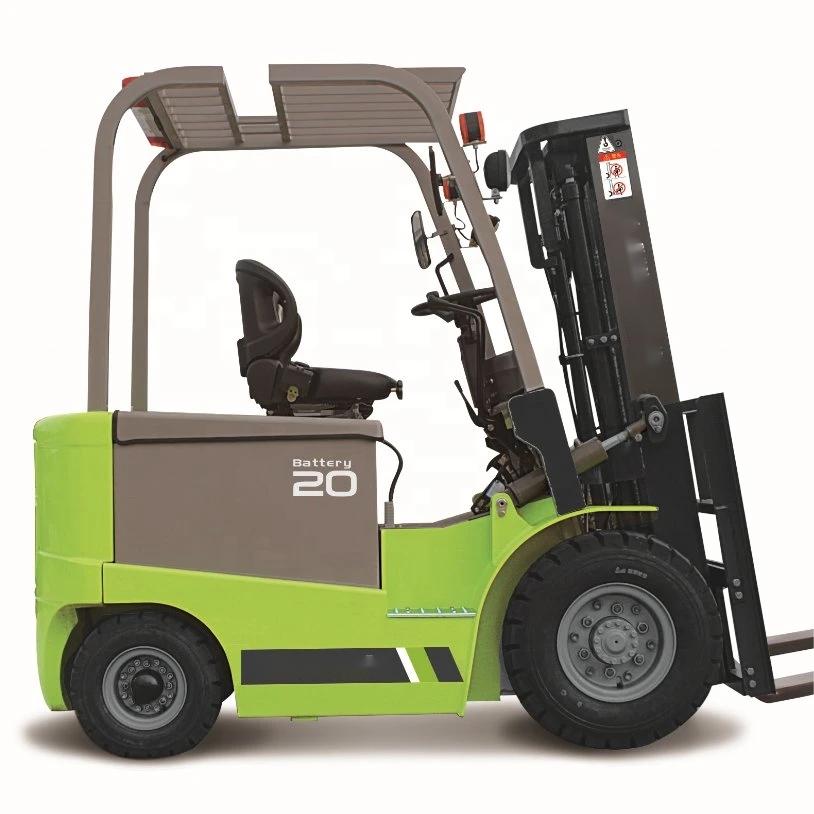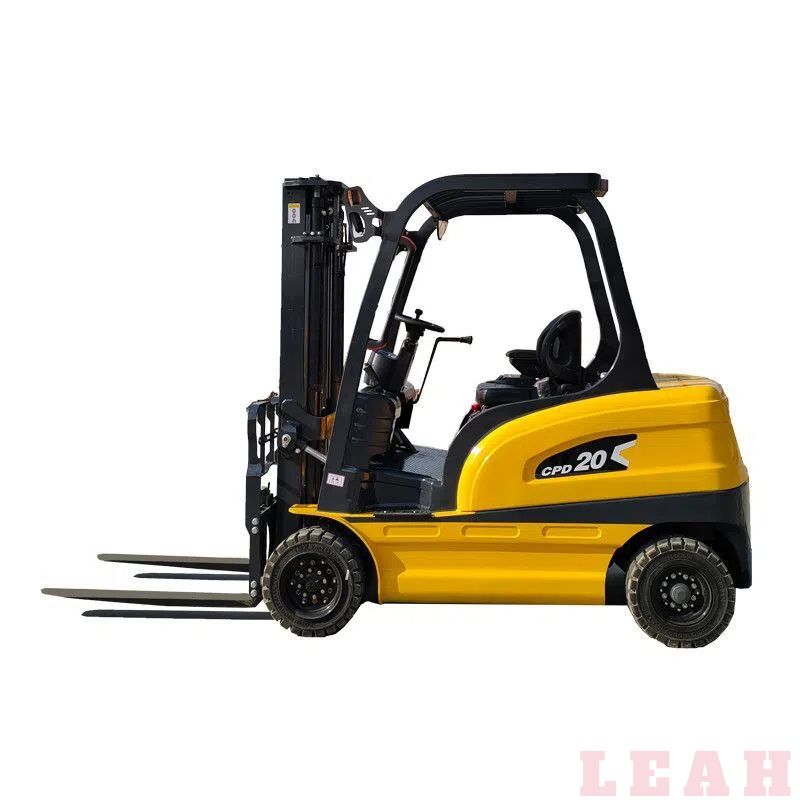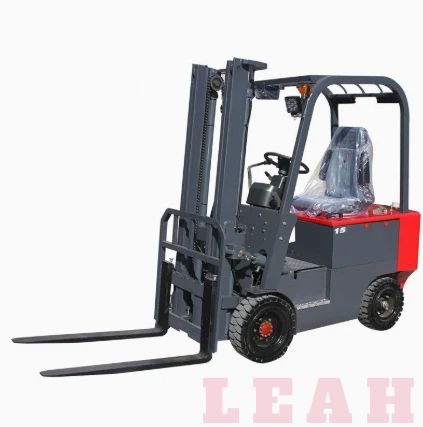

Mini wheel loaders have become the workhorse of small farms, landscaping crews and light construction sites worldwide — and Chinese manufacturers now dominate this segment on price-to-capability ratio. But "mini" covers a wide range: from 0.8-ton machines that fit through a garden gate to 2-ton compact loaders that rival old-school full-size units. Choosing the wrong size is the most expensive mistake a buyer can make. This guide walks through the five decisions that matter.
Decision 1: Match Horsepower and Weight to the Job
Start from your heaviest realistic daily task, not your average one.
Machine class | Operating weight | Typical power | Best suited for |
Micro (0.8–1.0 t) | ~1,000 kg | 10–20 kW | Gardening, greenhouse work, animal husbandry, narrow urban alleys |
Small (1.2–1.6 t) | ~1,500 kg | 18–30 kW | Small farms, sand/gravel yards, light landscaping, feed handling |
Compact (1.8–2.5 t) | ~2,000+ kg | 30–45 kW | Construction sites, road maintenance, heavy material loading onto trucks |
Rules of thumb:
- If you mostly load loose material (sand, grain, wood chips), the bucket fills easily — a smaller machine suffices.
- If you dig into compact soil, clay or bank material, you need breakout force, which scales with machine weight and hydraulic pressure. Underpowered machines "ride up" on the pile instead of digging in.
- Check lift height: loading a 1.8m-high farm trailer and loading a 3m-high dump truck are different requirements. Confirm the hinge-pin height exceeds your tallest target.
Decision 2: Bucket Capacity — Bigger Is Not Better
Oversizing the bucket on an underpowered loader wastes fuel and strains the hydraulics; the machine can't break a full load free. Match bucket size to loader class:
- Micro class: 0.3–0.5 m³
- Small class: 0.5–0.8 m³
- Compact class: 0.8–1.2 m³
Also consider quick-coupler (quick hitch) availability. A loader that swaps buckets, forks, grapples and augers in minutes multiplies its value — see Decision 4.
Decision 3: Drivetrain and Hydraulics — Where Cheap Machines Fall Apart
This is where the price gap between quality Chinese builders and low-end workshops becomes visible. Compare spec sheets on three points:
- Transmission: a hydrostatic (HST) drive offers infinitely variable speed and is far more operator-friendly than a simple gear drive. For stop-and-go loading cycles, hydrostatic is worth the premium.
- Axles: ask whether the front and rear axles are purpose-built loader axles with planetary reduction, or light-duty automotive axles. Planetary axles handle shock loads from bucket work far better.
- Hydraulic system: load-sensing or priority valves keep the steering responsive while lifting — cheap single-pump systems slow the steering wheel noticeably under load, which is a real safety issue on slopes.
Decision 4: Attachments — Buy for the Fleet of Jobs, Not One Job
A mini wheel loader with a quick coupler becomes a year-round multi-tool. Common attachments and their applications:
- Pallet forks — moving bagged feed, fertilizer, bricks
- Snow blade / snow bucket — seasonal municipal work
- Auger drive — fence posts and tree planting
- 4-in-1 bucket — dozing, grabbing, leveling, loading with one tool
- Grapple bucket — brush clearing, scrap handling
- Concrete mixer drum — small construction repairs
Tip: confirm attachment hydraulic flow (standard vs high-flow circuit) before buying an auger or cold planer — high-demand tools need the high-flow option fitted at the factory, not retrofitted.
Decision 5: Engine Emissions Compliance for Your Market
Emissions rules decide which engines are legal — and which machines get stuck at customs.
- EU / UK / North America: machines typically need Tier/Stage-compliant engines (e.g., Kohler, Briggs & Stratton, Perkins or compliant Chinese engines with documentation). Verify the engine brand and emissions certificate before ordering.
- Southeast Asia, Middle East, Africa, Latin America: requirements are generally more relaxed, but some countries require specific documentation for registration — ask your supplier for the export document set.
- Always confirm the engine's brand and model in writing; it determines spare-part availability in your country for the next ten years.
Frequently Asked Questions
Q: Should I choose a mini wheel loader or a skid steer loader?A: For farm and yard work with space to turn, a mini wheel loader is usually cheaper to buy and simpler to maintain. Skid steers win in tight demolition/construction sites and have a bigger attachment ecosystem — but cost more and are harder on tires.
Q: How much can a 1.5-ton mini wheel loader actually lift?A: Rated load for this class is typically 600–1,000 kg depending on model, with the rated load measured at the bucket's hinge pin with the machine level. Never exceed the rated load on slopes — capacity drops significantly beyond ~10°.
Q: What is a realistic service life?A: A well-built compact loader with proper maintenance commonly serves 6,000–10,000 engine hours. The items that fail first on cheap machines are drive belts, axles and welds on the loader arms — inspect these three areas on any unit you consider.
Q: What spare parts should I stock?A: Air/fuel/oil filters, a set of hydraulic hoses, bucket cylinder seals and drive belts. Most reputable Chinese suppliers ship a starter parts kit with the machine — confirm this before ordering.
Conclusion: choosing a mini wheel loader comes down to honest task analysis: your heaviest load, your tallest truck, your narrowest gate and your local emissions rules. Buy one size above your average day, insist on hydrostatic drive and proper loader axles, and get the quick coupler so the machine earns money twelve months a year. Send us your application details — materials, trailer heights and site conditions — and our team will recommend the right model configuration with a full quote.