Baseline Current Landscape
Under long-term unilateral sanctions, European, American, Japanese and South Korean brands have fully withdrawn from the Iranian market. Chinese machinery accounts for 63% of Iran’s total imported construction equipment. Sany, XCMG, LiuGong, Sinotruk, Shaanxi Automobile and Sunward Intelligent have built monopolized local sales channels. Domestic Iranian heavy-duty truck manufacturers only cater to low-end civilian transportation, with extremely weak indigenous production capacity for construction machinery and no viable competing products.Following the memorandum’s entry into force, competition will unfold in three distinct phases with stark divergence across the three equipment categories: a short-term window period (0–18 months), mid-term full market opening (1.5–5 years), and long-term stable segmented competition (over 5 years).
I. Short-Term Window Period (From Memorandum Effectiveness to Full Sanctions Lifting, 0–18 Months): Exclusive Growth Opportunities for Chinese Brands with Minimal Competitive Pressure
1. Absence of Foreign Competitors Eliminates Direct Head-to-Head Rivalry
Caterpillar, Komatsu, Hyundai, Volvo and Mercedes-Benz Heavy Trucks cannot quickly re-enter the market in the short run for the following reasons:
- Overseas capital has been frozen for years, and regional dealer networks have long been disbanded; reconstructing distribution channels, parts warehouses and service teams requires a minimum of 12–18 months.
- U.S. Bureau of Industry and Security (BIS) export licenses and Iran’s ISIRI mandatory certification involve lengthy procedures, resulting in far longer customs clearance and delivery cycles for foreign complete machines compared to Chinese alternatives.
- Multinational enterprises remain cautious amid repeated twists in U.S.-Iran negotiations and will refrain from large-scale capacity deployment in the immediate term.
2. Intensified Competition Among Domestic Chinese Brands with Segmented Track Differentiation
Market demand will surge dramatically (driven by RMB 300 billion in infrastructure projects and energy sector resumption). Capital unfreezing, smoother settlement channels and reduced shipping costs will prompt all Chinese manufacturers to ramp up investment in Iran simultaneously:
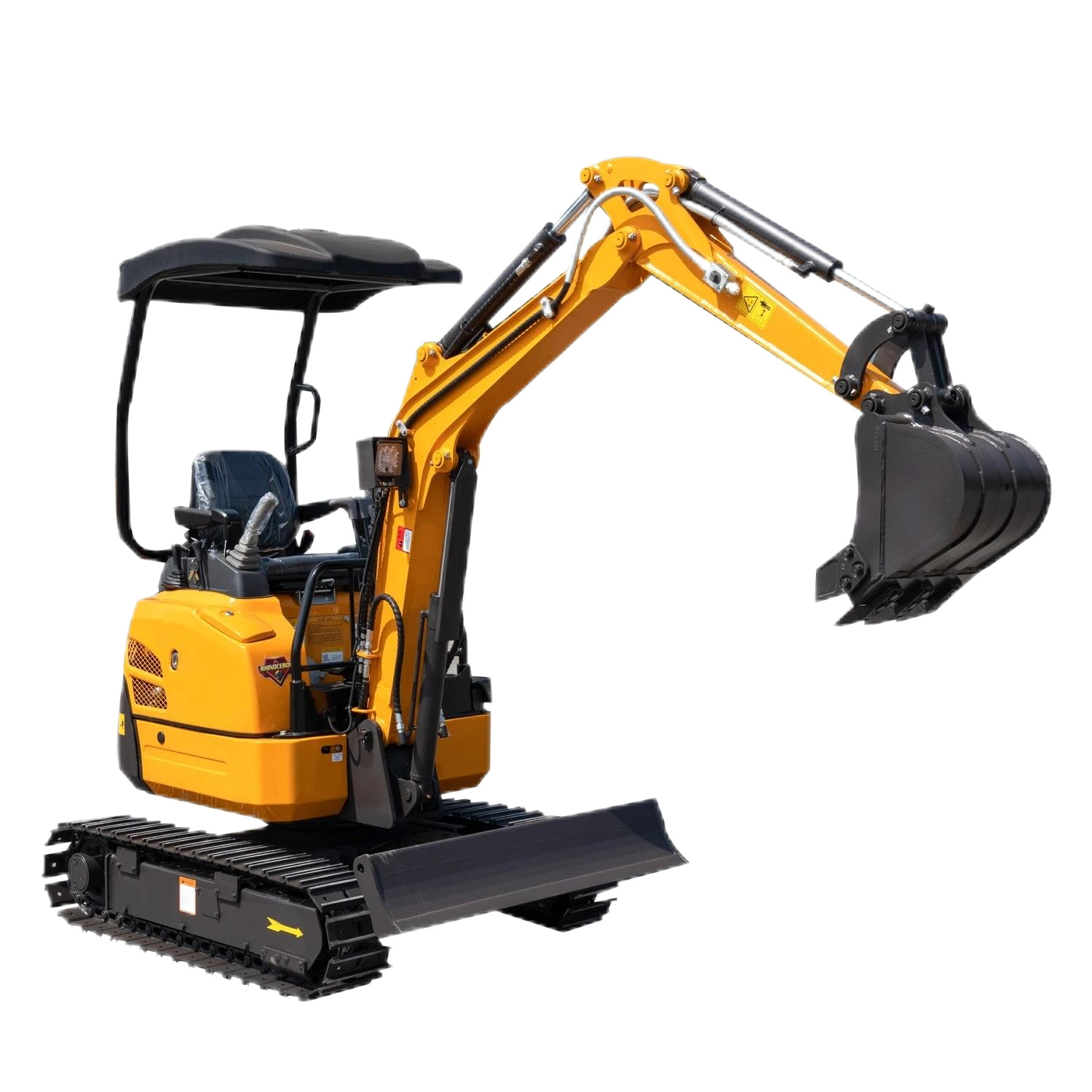
- Mini Excavators: Yuchai, Sunward and XCMG compete fiercely in small mini excavatorsDriven by municipal renovation, private equipment rental and small oil & gas station construction, 1–6 ton low-unit-price models enjoy high sales volume. Competition centers on pricing, local spare parts inventory and mortgage financing packages.
- Loaders: Lingong, LiuGong and Sany dominate the mainstream 5–8 ton high-demand segmentStable rigid demand persists from mines, sand and gravel yards and ports. Domestic loaders boast outstanding cost performance and superior heavy-load adaptability, with no competitors for heavy-duty models above 10 tons for the time being.
- Construction Heavy-Duty Trucks (Dump Trucks / Tractors / Tankers): Sinotruk, Shaanxi Automobile and FAW vie for bulk orders from transportation fleetsIran’s domestic heavy truck makers IHCO and Saipa can only satisfy low-end short-haul freight transport. Heavy-duty mining trucks and long-distance oil & gas transport vehicles rely entirely on imports, and Chinese manufacturers hold a prominent cost advantage via CKD (Complete Knock-Down) assembly models.
3. Domestic Iranian Manufacturers Serve Only as Supplementary Players and Pose No Threat
Iran lacks indigenous capacity for manufacturing complete construction machinery units. Local heavy trucks are limited to light urban haulage, with obvious technical shortcomings for mine and infrastructure heavy-duty transport. Government large-scale EPC projects prioritize imported equipment, so core orders will not be diverted in the short term.
Short-Term Landscape Summary
The market will operate as an absolute seller’s market with zero foreign competition, with rivalry confined solely to Chinese brands. China’s overall market share is expected to temporarily surge above 70%.
II. Mid-Term Full Market Opening (1.5–5 Years After Full Sanctions Lifting): Return of Global Players and Formation of a Three-Tier Segmented Competitive Landscape
European, American, Japanese and South Korean brands will complete channel construction and certification procedures. The market will shift from China’s unrivaled dominance to a three-tier structure: high-end foreign brands, mid-tier leading Chinese manufacturers, and low-end domestic Iranian & small Chinese machinery producers. Competition dynamics differ sharply across the three equipment categories.
(1) Segmented Competition in the Mini Excavator Track
- High-End Segment (Intelligent Mini Excavators above 3 Tons, Precision Oil & Gas Operations): Kubota and Yanmar seize market shareJapanese products feature durable engines, low fuel consumption and sophisticated hydraulic systems, specified for high-end municipal and foreign-funded oil & gas projects in Iran, squeezing market share of premium mini excavators from Sany and XCMG.
- Mid-Tier Mainstream (1–3 Ton Civilian & Rental Market): Leading Chinese brands consolidate core market shareXCMG, Sunward and Yuchai boast massive installed bases, full coverage of local parts warehouses and service outlets, with prices 30%–40% lower than Japanese equivalents. They remain the top choice for private rental operators and small engineering firms, retaining over 50% segment share.
- Low-End Entry-Level (Simple Mini Excavators Below 1 Ton): Small and mid-tier Chinese manufacturers engage in cutthroat price competitionA flood of second- and third-tier mini excavator makers enter this segment, competing purely on price and continuously compressing profit margins.
(2) Segmented Competition in the Loader Track
- Ultra-Large Tonnage (Mining Loaders ≥10 Tons): Caterpillar, Komatsu and Hyundai take the leadLarge open-pit mines and bulk cargo port terminals have ample capital budgets and prioritize equipment service life, fuel efficiency and intelligent management systems; domestic large-tonnage loaders will struggle to compete in the short to medium term.
- 5–8 Ton High-Demand General Models (Sand & Gravel, Infrastructure): Chinese brands secure absolute dominanceLingong, LiuGong and Sany have optimized their equipment for local Iranian operating conditions over years, with upgraded heavy-load heat dissipation and desert dustproof designs. Priced at only 60% of European and American counterparts, they are the primary procurement choice for government infrastructure and private building materials factories, maintaining over 70% domestic market share in this segment.
- Small Skid-Steer Loaders: Sunward Intelligent builds differentiated competitive barriersSunward entered the Iranian market early with an installed base exceeding 600 units and deeply bonded local dealers, creating a gap that Japanese and South Korean brands cannot fill quickly.
(3) Construction Heavy-Duty Trucks Face the Most Intense Competitive Pressure
Strong tariff protection policies for complete heavy trucks create dual competitive pressure from foreign and domestic Iranian manufacturers:
- High-End Long-Haul Tractors & Oil/Gas Tankers: Mercedes-Benz, Volvo and Hyundai Heavy Trucks penetrate the marketMultinational logistics firms and major petrochemical conglomerates prioritize low fuel consumption, extended maintenance cycles and full-vehicle reliability, capturing high-margin orders.
- Mid-Tier Mining Dump Trucks & Urban Construction Muck Trucks: Core stronghold of Sinotruk and Shaanxi AutomobileLocal CKD assembly of X3000 and Delong series avoids steep complete-vehicle import tariffs, with selling prices half those of European models, making them the main bulk procurement option for mine and municipal fleets.
- Low-End Short-Haul Freight Heavy Trucks: Dominated by Iran’s domestic IHCO and SaipaGovernment policies encourage indigenous manufacturing, with high complete-vehicle tariffs (75%–90%) shielding local manufacturers. This segment only generates small-volume civilian orders and exerts limited impact on Chinese heavy-duty construction trucks.
Two New Mid-Term Variables Reshaping Competition
- U.S. Export Compliance BarriersChinese machinery fitted with U.S.-manufactured electronic control units and hydraulic chips requires U.S. export licenses for shipment to Iran. Small and mid-tier manufacturers lack robust supply chain compliance capabilities, restricting exports of high-end models. Leading brands including Sany and XCMG leverage self-developed core components to widen the gap with smaller domestic peers.
- Iran’s Indigenous Industrial Localization PoliciesIran will gradually raise tariffs on fully assembled imported machinery to incentivize CKD semi-knockdown assembly. Only brands that construct local factories and achieve domestic supporting component production can sustain cost advantages, while manufacturers relying purely on complete machine exports will see declining competitiveness.
Mid-Term Landscape Summary
The market becomes fully segmented. Chinese brands firmly hold mid-tier demand-driven segments, while European, American, Japanese and South Korean brands capture high-end market share, and the low-end market devolves into price wars. China’s overall market share will retreat to the 45%–55% range.
III. Long-Term Stable Landscape (Over 5 Years): Solidified Differentiated Barriers and Established Stable Market Division
- Foreign Brands: Focus on high-end premium market segmentsCaterpillar, Komatsu, Kubota and Mercedes-Benz target large mines, foreign-funded oil & gas projects and high-end municipal EPC contracts, adopting a high-margin, low-volume strategy without expanding into mass rental markets, enabling differentiated non-head-to-head competition with Chinese brands.
- Leading Chinese Manufacturers: Build mid-tier full-industry-chain localization barriersSany, XCMG, LiuGong and Sinotruk will complete construction of KD assembly plants in Iranian industrial parks with localization rates exceeding 50%, integrating spare parts supply, after-sales service and financial support to capture the majority of market sales volume. They will concurrently launch upgraded intelligent, low-fuel-consumption models to erode foreign brands’ mid-tier market share.
- Small & Mid-Tier Chinese Manufacturers: Restricted to low-end complete machines, used equipment and spare parts supplyLacking local assembly capacity and robust service networks, their complete machine profit margins are squeezed by tariffs and competitors. They will gradually shift focus to spare parts exports and used equipment circulation.
- Iranian Domestic Enterprises: Confined to light civilian transport and simple small-scale equipmentDevoid of R&D and manufacturing capacity for heavy construction machinery, they cannot access procurement systems for large infrastructure and mining equipment and will never pose core competitive threats in the long run.
IV. Comparative Summary Table of Competitive Landscape Shifts Across the Three Equipment Categories
| Product Category | Short Term (0–18 Months) | Mid Term (1.5–5 Years) | Core Long-Term Stable Landscape |
|---|
| Mini Excavators | Exclusive domestic Chinese supply; internal price competition among Chinese brands | Japanese brands capture high-end models above 3 tons; Chinese brands retain the 1–3 ton rental market | Japanese brands dominate high-end precision operations; leading Chinese brands monopolize civilian rental demand |
| Loaders | Full domestic coverage with no rivals in the 5–8 ton segment | European and American brands split the ultra-large mining segment above 10 tons; Chinese brands consolidate the 5–8 ton core market | Foreign brands control heavy large-tonnage segment; Chinese manufacturers hold absolute dominance in mainstream mid-tier models |
| Construction Heavy-Duty Trucks | Chinese CKD assembly monopolizes heavy mining trucks | European and Korean brands seize long-haul oil & gas tractor orders; domestic Iranian firms divide low-end freight market | Foreign brands lead high-end logistics transport; Chinese brands dominate heavy-duty dump trucks; local Iranian manufacturers serve short-haul civilian transport |
V. Core Conclusions
Definite Short-Term Dividends Favor Chinese Market PositionA 1–1.5 year window devoid of competing foreign brands will open immediately after the memorandum enters into force, coinciding with concentrated release of hundreds of billions worth of reconstruction demand in Iran. Chinese brands will further lift their overall market share, marking a golden opportunity to expand distribution channels and launch local KD assembly plants.
- Inevitable Structural Segmentation in the Mid-Term LandscapeThe return of foreign brands following full sanctions lifting will not fully displace Chinese machinery. Competition will no longer hinge on the mere presence or absence of rivals, but on comprehensive strengths including product positioning, localized production capacity, after-sales channel networks and cross-border compliance capabilities.
- Long-Term Success Depends Not on Pricing, But on Localization and Technological UpgradingSmall and mid-tier manufacturers relying solely on low-cost complete machine exports will face continuous market share erosion. Leading brands that establish local assembly factories, improve spare parts and after-sales service systems, and independently develop core components will lock in long-term dominance of core mid-tier market segments.
- Far More Intense Competition in the Heavy-Duty Truck Segment Than Mini Excavators and LoadersDual pressure from Iran’s domestic automotive industry protection policies and mature distribution networks of European heavy truck brands demands rapid rollout of CKD assembly models by truck manufacturers; otherwise, their market share will decline far more drastically than construction machinery players.