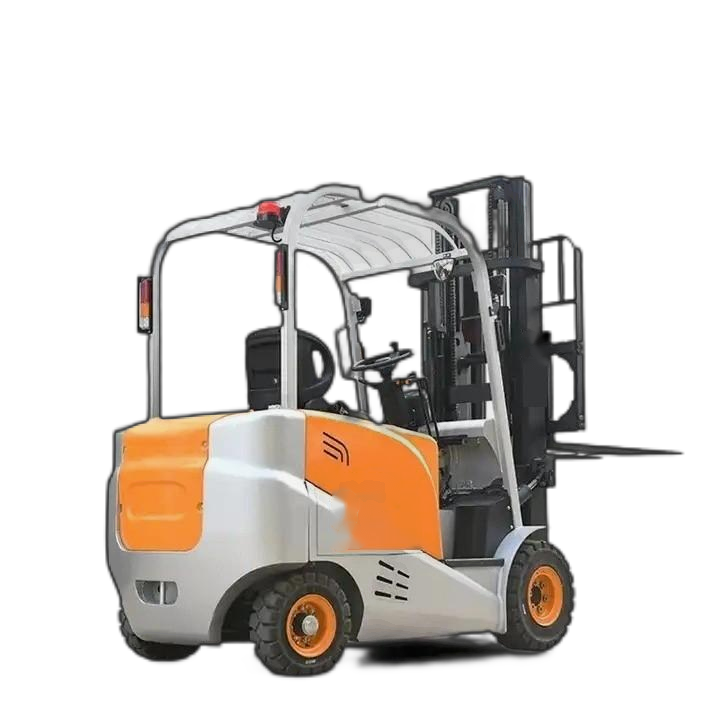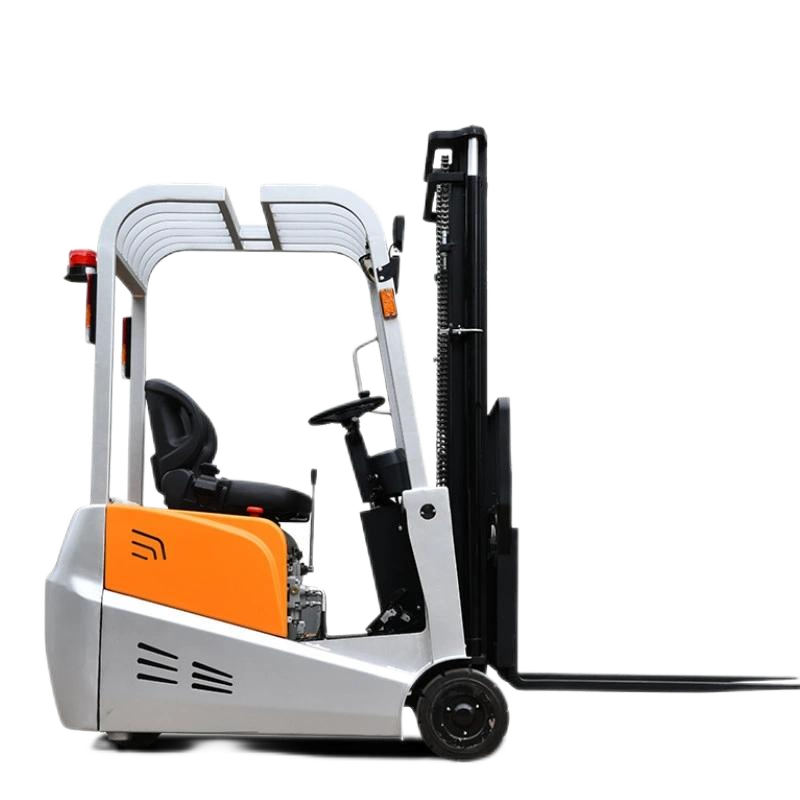

The global electric forklift market has become the dominant segment of industrial material handling equipment, with rapid growth driven by electrification, sustainability mandates, and warehouse automation.
Global Market Overview
- 2024 Market Size: Estimated at USD 85.1 billion.
- 2025 Projection: Expected to reach USD 88.8 billion.
- 2034 Forecast: Projected to grow to USD 132.7 billion, at a CAGR of 4.6% (2025–2034).
- Electric Penetration: Electric forklifts accounted for ~72.3% of total forklift sales in China (2024) and over 80% in mature European markets, making them the mainstream choice.
Regional Highlights
- Asia-Pacific: The largest market, accounting for ~45% of global sales; China is the biggest single market with ~950,000 units sold in 2025, representing ~66% of global electric forklift volume.
- North America: Valued at USD 18.3 billion in 2024, growing at a CAGR of 5.3% (2025–2034).
- Europe: Mature market with >80% electric penetration, driven by strict emissions regulations.
Key Growth Drivers
- Battery Technology Advancements: Lithium-ion batteries replacing lead-acid, enabling longer runtime, faster charging, and lower maintenance.
- Sustainability & Regulation: Zero-emission operation aligns with global carbon reduction goals and indoor air quality standards.
- E-commerce & Warehouse Expansion: Surge in automated logistics and cold-chain demand favors electric forklifts.
- Cost Efficiency: Lower operating and maintenance costs vs. internal combustion forklifts.
Market Structure
- Battery Type: Lithium-ion is rapidly replacing lead-acid; ~50% of electric forklifts in China use lithium-ion (2025).
- Application: Warehousing & logistics dominate; electric penetration in storage forklifts is ~95%.
- Product Type: Counterbalance, reach trucks, and pallet jacks are the largest segments.